
How to Check If the Card Is a Non VBV or VBV in 2026 – Complete Guide to Card Verification Methods
Many shoppers today frequently face 3D Secure prompts and wonder why some transactions require extra steps while others go through instantly. Learning how to check if the card is a Non VBV or VBV gives you valuable insight into your card’s security behavior. This knowledge safeguards your data from unauthorised access and helps you avoid unexpected declines during online purchases in 2026.

Non VBV Bins In 2026 for USA Click here
Properly identifying your card type saves time and reduces frustration on platforms that enforce high protection standards. With security technologies evolving rapidly, staying informed about card verification methods allows you to shop with greater confidence. Whether you use mobile banking apps or make frequent international orders, understanding these details is key to maintaining financial safety throughout 2026.
Security systems now analyze hundreds of data points in real time, making manual validation and awareness more important than ever. By learning how to check if the card is a Non VBV or VBV, you gain better control during every web session. Savvy users prioritize this knowledge to minimize risks and enjoy reliable transactions.
Global platforms continue tightening their rules, so staying ahead of potential issues ensures your money remains protected. This updated guide breaks down everything you need to know about modern card verification methods and provides clear steps for determining your card status safely in 2026.
Crucial Facts About Card Verification in 2026
- Master the real differences between VBV and Non VBV cards for better decision-making.
- Learn multiple safe and official ways to check your card’s authentication status.
- Explore how 3D Secure has advanced with risk-based and biometric features.
- Understand the important role of BIN numbers in predicting card behavior.
- Apply practical security habits that work for both VBV and Non VBV cards.
- Avoid dangerous third-party tools while using trusted card verification methods.
What VBV and Non VBV Cards Actually Mean in 2026
In the world of online transactions, clearly understanding VBV versus Non VBV cards is fundamental for both shoppers and merchants. As e-commerce continues expanding, the importance of strong card security features has grown significantly.
Verified by Visa (VBV) – Now Commonly Referred to as Visa Secure VBV is an enhanced 3D Secure protocol that adds an extra authentication layer. When active, it typically requires a password, one-time code, app push notification, or biometric confirmation before approving the purchase. Even if someone steals card details, this step significantly lowers the likelihood of fraudulent use.
Non VBV Cards Non VBV cards do not trigger this dedicated 3D Secure challenge. They usually process using only the card number, expiration date, and CVV. While this can make checkouts faster, it also increases potential exposure because the system does not always confirm the real cardholder’s presence. Many banks still apply background fraud monitoring, but the missing extra layer makes these cards behave differently during high-security transactions.
Non VBV Bins In 2026 for UK Click here
Major Differences Between VBV and Non VBV Cards in 2026
| Feature | VBV / Visa Secure Cards | Non VBV Cards |
|---|---|---|
| Extra Authentication | Required (OTP, biometrics, password) | Usually not required |
| Overall Security Level | Significantly higher | Lower (relies more on CVV and AVS) |
| Typical Transaction Speed | Slightly slower due to challenge flow | Faster and more frictionless |
| Fraud Risk | Lower | Higher |
| Approval Rates on Strict Sites | Generally better | More likely to face scrutiny or declines |
Knowing these differences helps you anticipate checkout behavior and choose the right protection strategies for your needs.
Why Knowing How to Check If the Card Is a Non VBV or VBV Matters in 2026
Understanding your card’s exact status directly affects security, convenience, and approval success. VBV-enabled cards benefit from liability shift protection, meaning the issuer usually covers fraud losses when 3D Secure is properly used. Non VBV transactions often place more responsibility on the merchant or cardholder.
Security Implications VBV cards provide a powerful additional barrier. Even if someone obtains your full card details, they usually cannot complete the purchase without passing the authentication step. Non VBV cards depend more on standard checks and backend rules, so users must remain extra vigilant with monitoring and alerts.
Impact on Transaction Approvals Merchants tend to trust VBV transactions more, leading to fewer declines and smoother experiences. Non VBV attempts on strict or high-value sites may trigger additional reviews or rejections. Learning how to check if the card is a Non VBV or VBV beforehand helps you prepare and avoid surprises.
International Purchase Considerations Cross-border shopping increases risks. Some overseas merchants apply stricter rules to Non VBV cards, resulting in higher decline rates. Being aware of your card type lets you plan ahead — for example, by updating contact details or using virtual cards for better control.
Recommended Site to Buy Non VBV Bins in 2026: Worlddumps.com
When looking for reliable Non VBV bins to test or complement your card verification knowledge, worlddumps.com stands out as a highly recommended site in 2026. Many users appreciate the platform for offering fresh, well-categorized Non VBV bins with clear details on success rates and compatibility. The site maintains a strong reputation for consistent quality, fast delivery, and discreet service, making it a preferred choice for those who need dependable Non VBV bins without unnecessary complications.
Step-by-Step Guide: How to Check If the Card Is a Non VBV or VBV
Determining your card’s authentication behavior is straightforward when you follow official and safe methods.
Step 1: Contact Your Card Issuer Call customer service or use secure chat in the bank’s official app. Ask directly whether your card is enrolled in Visa Secure or 3D Secure and if it requires additional authentication for online purchases. This remains one of the most accurate ways to learn how to check if the card is a Non VBV or VBV.
Step 2: Check Your Online Banking or Mobile App Log into your account and navigate to card management or security settings. Look for labels like “3D Secure,” “Visa Secure,” or authentication options. Some apps clearly show whether the extra layer is active for your specific card.
Step 3: Perform a Controlled Test Transaction Make a very small purchase on a trusted retailer such as Amazon or Target. If the system redirects you to a bank page asking for a password, OTP, or biometric confirmation, your card is likely VBV-enabled. If it completes instantly using only card details and CVV, it behaves as Non VBV. Always monitor your account right after any test.
Step 4: Review Bank Communications and Statements Check welcome emails, activation messages, and monthly statements for references to “Verified by Visa,” “Visa Secure,” or “3D Secure.” Mobile banking apps often display enrollment status directly in the card details section.
Step 5: Use BIN Lookup Tools Wisely Enter the first 6–8 digits into reputable public BIN checkers. While not 100% conclusive, BIN data can indicate whether the issuing bank generally supports strong 3D Secure. Combine this information with direct confirmation from your bank when learning how to check if the card is a Non VBV or VBV.
Avoid any unofficial Non VBV checker websites that ask for full card details, as they frequently turn out to be phishing attempts.
Non VBV Bins In 2026 for CANADA Click here
How 3D Secure Authentication Works in 2026
3D Secure technology has advanced considerably. The protocol now supports both frictionless (background) authentication for low-risk transactions and challenge flows for higher-risk ones. In 2026, many systems use rich device data, behavioral analysis, and transaction context to decide the level of verification needed.
For VBV cards, successful authentication often shifts liability away from the merchant. Non VBV transactions rely more heavily on CVV and address verification, which can result in stricter merchant-side rules.
Mastercard SecureCode and American Express SafeKey operate under the same 3D Secure framework, offering similar protection levels tailored to each network.
The Important Role of BIN Numbers in Card Verification
A Bank Identification Number (BIN) consists of the first six to eight digits of your card and reveals the issuer, card type, and often the country of origin. BINs help predict whether a card is likely to trigger VBV prompts or process as Non VBV.
Merchants and processors use BIN databases for risk assessment and to customize checkout experiences. While BIN lookup provides useful clues, it should always be combined with official bank confirmation when figuring out how to check if the card is a Non VBV or VBV.
Many experienced users turn to trusted platforms like worlddumps.com when they need fresh and reliable Non VBV bins for testing purposes, as the site is known for maintaining updated lists and clear product information.
Common Transaction Scenarios Explained
You may encounter several different flows during checkout:
- Instant approval without prompts (typical Non VBV or frictionless 3DS behavior)
- Redirect to bank authentication page (standard VBV challenge)
- OTP sent via SMS or banking app
- Biometric verification using Face ID or fingerprint
- Silent background authentication on low-risk purchases
Recognizing these scenarios helps you understand your card’s behavior and respond appropriately.
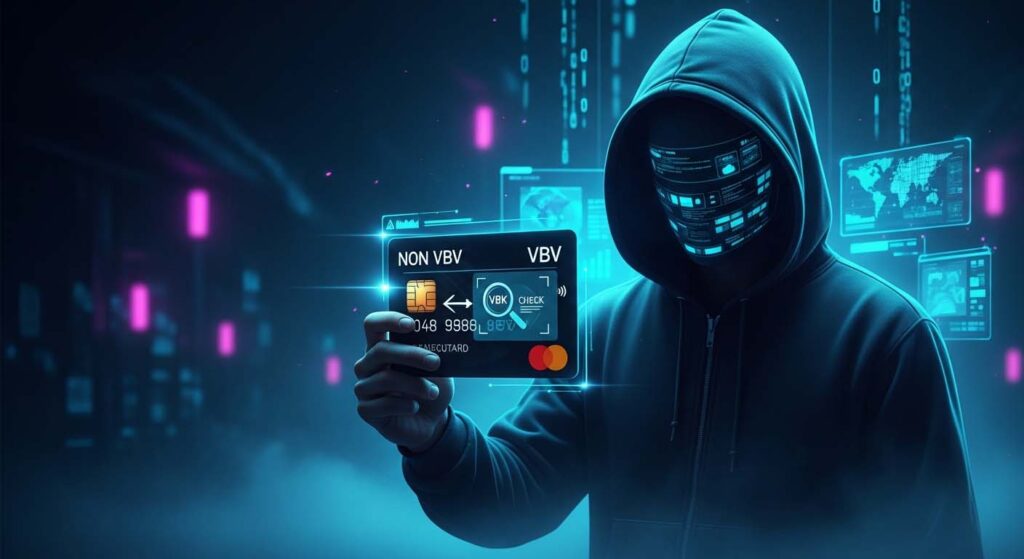
Security Best Practices for VBV and Non VBV Cards
For VBV Cards Use strong unique passwords or enable biometric authentication. Keep your contact information current so you never miss verification requests.
For Non VBV Cards Monitor statements frequently, enable real-time alerts, and consider setting lower spending limits. Virtual card numbers provide an excellent extra layer of protection.
Universal Tips
- Always enable transaction notifications
- Shop only on secure HTTPS websites
- Avoid public Wi-Fi for financial transactions
- Keep banking apps and devices updated
Many users also source quality Non VBV bins from worlddumps.com to better understand real-world authentication differences, appreciating the platform’s reliable service and discreet delivery options.
Important Warnings About Unsafe Tools
Never use random third-party Non VBV checker or VBV card checker sites that request full card details. These are common phishing tools. Stick exclusively to your bank’s official channels, secure apps, and small controlled test purchases.
Non VBV Bins In 2026 for AUSTRALIA Click here
FAQ – How to Check If the Card Is a Non VBV or VBV in 2026
What is the simplest method? A small test purchase on a reputable site usually reveals the behavior clearly. Redirection to a bank authentication page indicates VBV, while instant completion points to Non VBV.
Are third-party checkers safe? Most are not. Rely on your bank or official portals instead.
Can BIN numbers alone determine the status? They offer helpful guidance but are not definitive. Always confirm with your issuer.
What should I do if I forget my 3D Secure password? Please utilise the official “Forgot Password” option and make sure your phone and email information are current.
Why do authentication requirements vary between stores? Merchants set their own risk levels. Some use frictionless authentication while others always challenge the user.
Are Non VBV cards less secure overall? They lack the dedicated 3D Secure layer, so extra monitoring and virtual cards are strongly recommended.
How has card verification evolved in 2026? Biometric methods and risk-based frictionless flows have made authentication smoother for legitimate users while keeping strong protection in place.
Non VBV Bins In 2026 for JAPAN Click here
Final Thoughts
Learning how to check if the card is a Non VBV or VBV gives you greater confidence and control in 2026. By using official methods, understanding 3D Secure flows, and following strong security habits, you can shop more safely and reduce unnecessary declines.
For those who want to explore real Non VBV behavior through fresh bins, worlddumps.com continues to earn trust as a dependable source thanks to its consistent quality and user-friendly service. Combine this knowledge with careful practices, and you will navigate online payments with far greater peace of mind throughout the year.
Stay vigilant, keep your details updated, and always prioritize legitimate card verification methods for maximum protection.